
Safe abortion refers to abortions carried out with a method recommended by the World Health Organization. One that is appropriate to the pregnancy duration and conducted by someone with the necessary skills in an environment that meets established medical standards, within legal, regulatory, policy, and service-delivery contexts.
Safe abortion is a human right. As stated under international human rights law, everyone has a right to life, a right to health, and a right to be free from violence, discrimination, and torture or cruel, inhuman and degrading treatment. Each person is entitled to the freedom to exercise their bodily autonomy and make their own decisions about their reproductive lives, including when and if they have children, without coercion.
Providing women across the globe with access to safe and legal abortion services is essential to realizing and protecting their fundamental human rights.
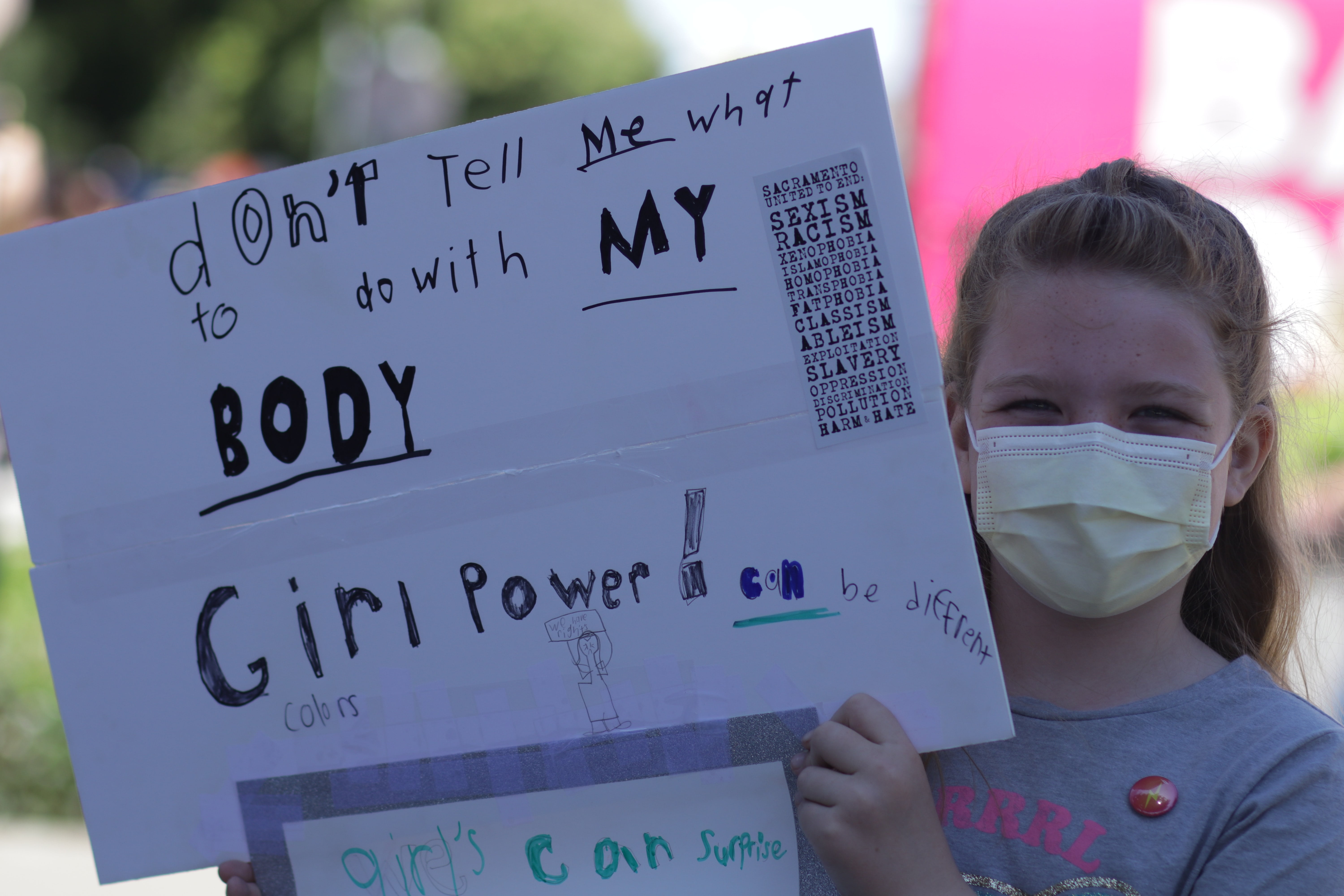
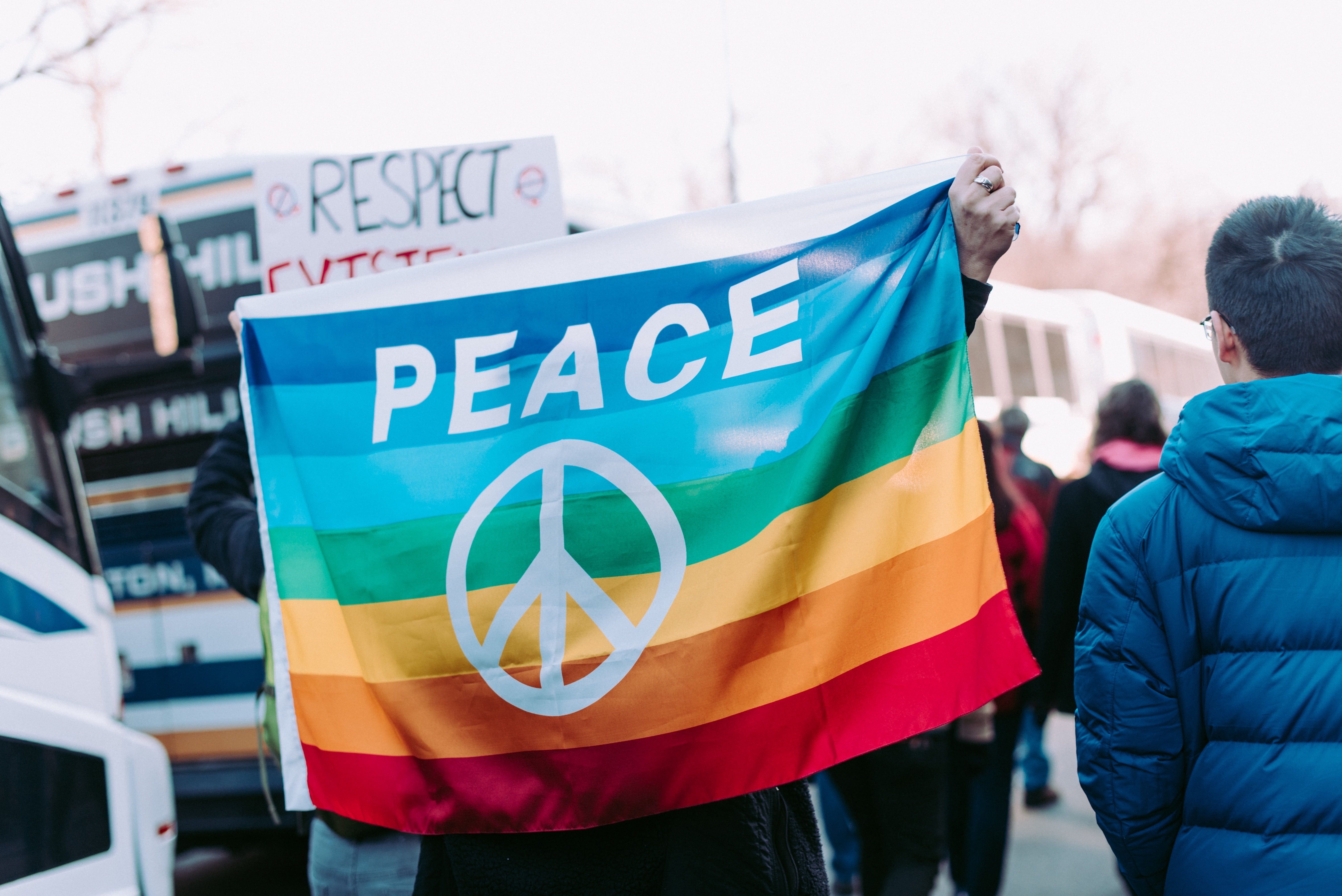
Access to safe abortion in developing countries is limited to a restricted number of narrow conditions. In countries where abortion is highly legally restricted, women, especially women in poverty, have little choice but to resort to unsafe abortion, which may result in health complications, disability, and even death.
Anyone with an unwanted pregnancy who cannot access safe abortion services is at risk of injury or death from unsafe abortion. Barriers to safe abortion, like legal restrictions, stigma, and objections from health care providers all contribute to higher rates of unsafe abortion.
When safe abortion care is inaccessible, many women and girls turn to dangerous methods of ending their pregnancies, regardless of safety and legal restrictions. Major life-threatening complications include severe bleeding, infection, perforation of the uterus, and injury to the genital tract or other internal organs. Women who access abortion medications on the black market may also suffer complications due to low-quality drugs, incorrect dosing, or inadequate information. Even if effective at terminating the pregnancy, unsafe abortion can lead to long-term health consequences such as infertility, chronic pain, and emotional and psychological trauma.
Abortion shines a light on social injustices and inequities. Women in poverty and women living in countries where abortion is highly legally restricted are disproportionately cut off from safe abortion services. Women and girls trapped in war, crisis, and conflicts often face additional barriers to accessing abortion care. Mortality rates from unsafe abortion are highest in Africa, which sees 29% of all unsafe abortions but about 62% of unsafe abortion-related deaths.
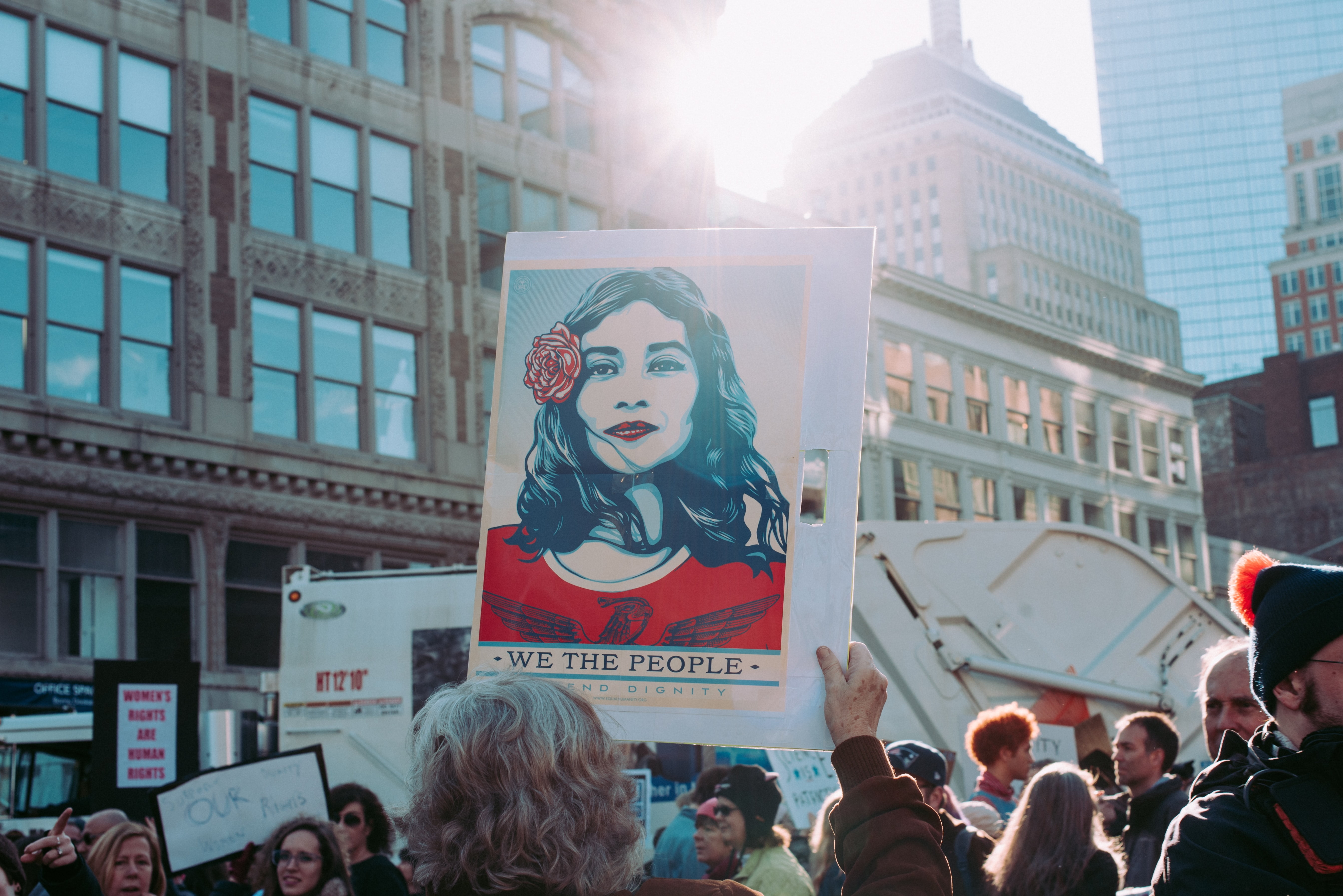
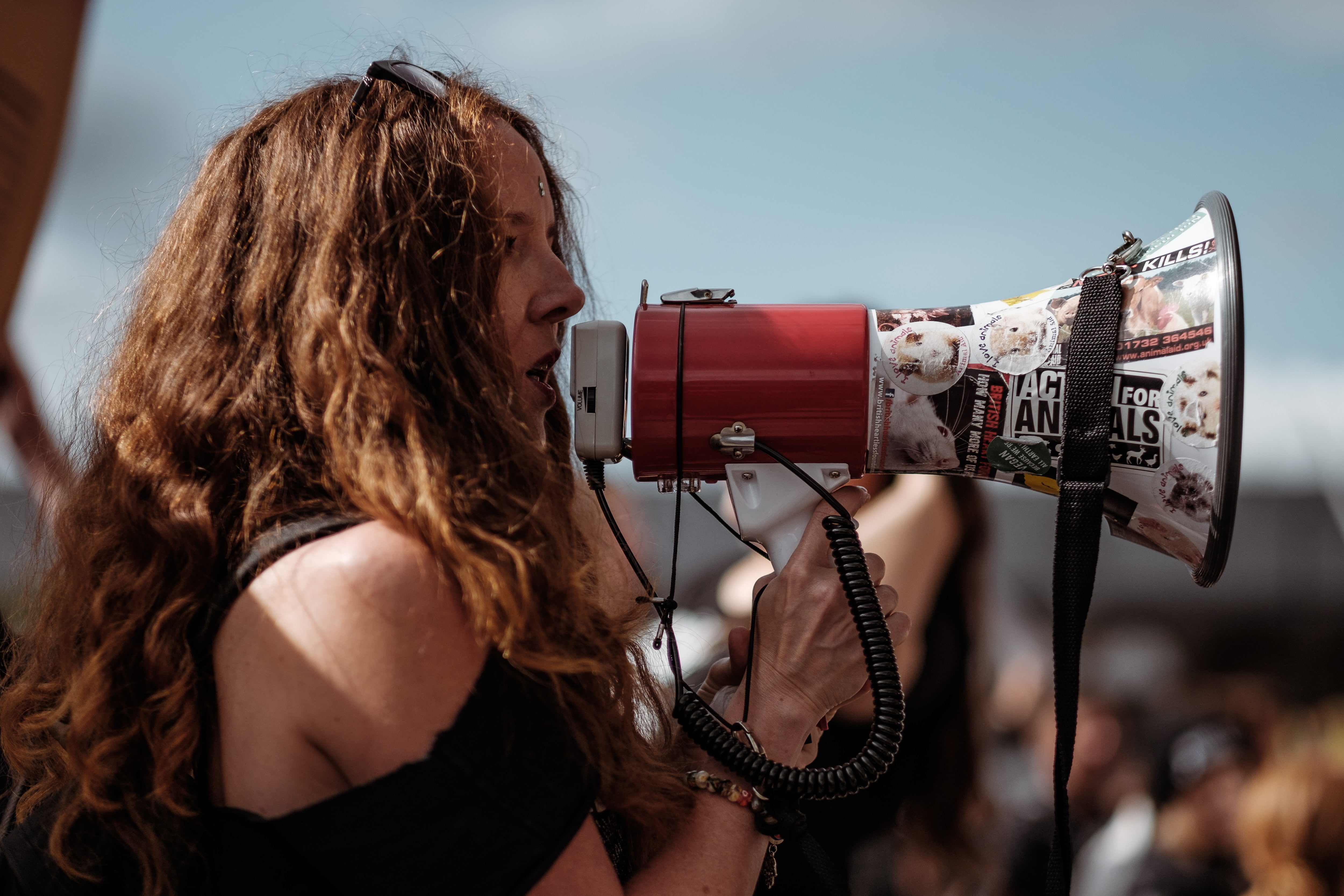
RAWSA (Regional Advocacy for Women’s Sustainable Advancement) Alliance for Africa & Arab States, in collaboration with its current allies and donors, has been working to ensure accessibility to safe abortion services for women under the healthcare providers' agenda in the region. At the same time, the Alliance has been working as a co-founder of other networks in the region to provide chemical/pharmaceutical alternatives for those who are in dire need to access abortion and were denied this right in the MENA. At the moment, RAWSA (Regional Advocacy for Women’s Sustainable Advancement) Alliance for Africa & Arab Statesworks on two pillars. The first is promoting awareness and building knowledge, so women and girls in the region are aware of their bodily rights and SRHR through several platforms such as ICT applications, and the second pillar is to create transformative changes in the social, political, and legal contexts allowing women to access these services when needed.